
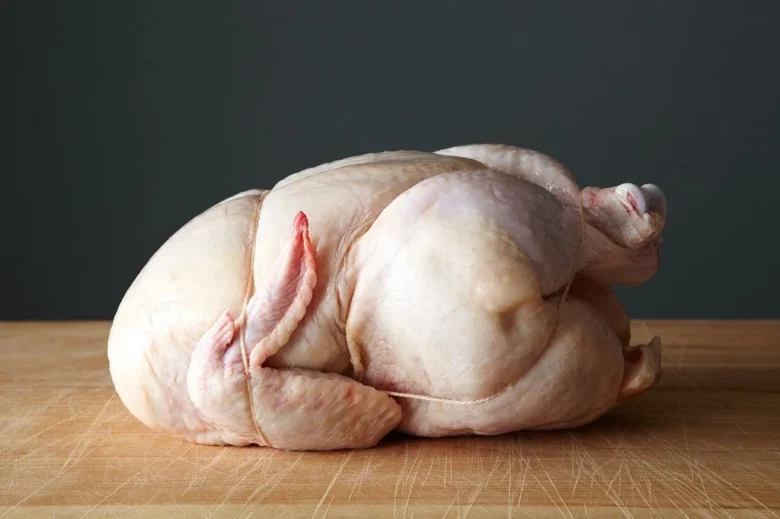
Grocery prices continue to rise, and for most families, protein is the most expensive part of the food budget.
If you’re looking for a practical way to lower your grocery bill without serving smaller portions or sacrificing satisfaction, the solution may be simpler than you think:
- Start with one whole chicken.
Instead of buying pre-cut chicken breasts or individually packaged parts, purchasing a whole bird allows you to create multiple meals from a single ingredient. With a simple sequential cooking strategy, one chicken can provide four distinct dinners for a family of four—without anyone feeling like they are eating leftovers.
This isn’t about eating less.
It’s about using protein more intelligently.
The Core Strategy: Sequential Protein Use
Most people cook a meal, eat it, refrigerate the leftovers, and reheat the same dish the next day.
Financially smart cooking works differently.
Instead of reheating the same meal, you transform each phase into something new. Monday’s roast becomes Tuesday’s filling. Tuesday’s scraps become Wednesday’s feature. The bones become Thursday’s foundation for broth.
Each meal builds on the previous one, ensuring that no part of your purchase goes to waste.
Phase 1: Roast the Whole Chicken
For maximum flavor and flexibility, roast the chicken whole at the beginning of the week.
Simple Roast Setup
- Rub the skin with oil
- Season with salt, pepper, and garlic powder
- Roast at 400°F (200°C) until the skin is crisp and juices run clear
The Secret: Let the chicken rest for at least 15 minutes before carving. Resting keeps the juices inside the meat rather than on the cutting board.
Strategic Tip
For the first meal, serve the legs and wings—the dark meat. These cuts are juicy, flavorful, and most satisfying fresh from the oven.
Leave the breast meat intact on the bone for storage. It stays moister that way in the refrigerator.
Day 1: The Classic Roast Dinner
Meal: Roasted chicken legs and wings with crispy potatoes and onions.
Roast the vegetables in the same pan as the chicken so they absorb the natural cooking fats. This creates a filling, satisfying dinner without needing expensive side dishes.
Why This Works
Dark meat stays moist and flavorful, while potatoes provide affordable volume and satiety.
After dinner:
- Carve off the breast meat and refrigerate it
- Place the bones and carcass in a container or freezer bag
- Save the pan drippings—they are concentrated flavor
Nothing gets discarded.
Day 2: Shredded Chicken & Bean Tacos
Cold breast meat is easier to shred, and shredded chicken absorbs new flavors beautifully when simmered.
Meal: Chicken and black bean tacos with handmade tortillas (or rice bowls).
Simple Filling Method
- Sauté half an onion
- Add 1 cup cooked black beans
- Stir in shredded chicken breast
- Add a splash of water or a spoonful of tomato paste
- Season with cumin and chili powder
- Simmer for 5–10 minutes
Why This Works
Beans act as a protein extender. A moderate amount of chicken becomes a generous filling. When served in homemade tortillas or over rice, this meal feels completely new—not like reheated leftovers.
Day 3: Golden Chicken Fried Rice
By now, you likely have small bits of chicken remaining—pieces from carving and the back of the bird.
This is where many households stop.
Instead, use rice as your volume anchor.
Meal: Chicken fried rice.
Simple Setup
- Sauté diced onions and carrots
- Add 4 cups of cold, cooked rice
- Stir in the remaining chicken scraps
- Scramble 2 eggs directly in the pan
- Finish with soy sauce
Why This Works
Fried rice distributes small amounts of meat throughout a larger dish. The eggs provide fresh protein, while the chicken delivers concentrated flavor in every bite.
The result feels abundant—even with minimal meat.
Day 4: Bone Broth Vegetable Soup
After three dinners, the most valuable part of the chicken remains:
The bones.
Instead of discarding them, turn them into homemade broth.
Simple Broth Method
- Place bones, skin, and scraps into a large pot
- Add onion skins or carrot ends (if saved)
- Cover with water
- Simmer gently for 2–4 hours
- Strain and discard solids
You now have rich homemade broth—something that often costs considerably more when purchased pre-made.
Turn It Into Soup
Add:
- A handful of rice
- Diced potatoes
- Carrots
- Lentils
- Salt and herbs
This “kitchen sink” soup becomes one of the most nourishing meals of the week—made from what many people would otherwise throw away.
Why Whole Chickens Cost Less Per Serving
Whole chickens typically cost less per pound than boneless, skinless breasts. More importantly, they provide usable bones, skin, and natural cooking fats in addition to meat.
When you purchase a whole bird, you’re receiving:
- White meat
- Dark meat
- Bones for broth
- Skin and fat for flavor
Spending a few minutes carving at home can significantly increase the overall value you get from a single grocery purchase.
Over time, that difference can meaningfully reduce weekly food expenses.
3 Tips to Make This Strategy Easy
1. Save Every Dripping
The liquid at the bottom of your roasting pan is concentrated flavor. Store it and add it to fried rice or soup.
2. Keep a Freezer Scrap Bag
Store onion peels and carrot ends in a freezer bag. When full, they’re ready for broth.
3. Vary the Flavor Profiles
Prevent “chicken fatigue” by seasoning differently each day:
- Day 1: Classic (salt, pepper, garlic)
- Day 2: Mexican-inspired (cumin, chili powder)
- Day 3: Asian-inspired (soy sauce, ginger)
- Day 4: Herbal (thyme, rosemary)
Same chicken. Completely different experiences.
Frequently Asked Questions
Is one chicken really enough for four dinners?
Yes—when paired with volume ingredients like rice, beans, lentils, and potatoes. The chicken provides protein and flavor, while affordable staples provide fullness.
Can I use a store-bought rotisserie chicken?
Absolutely. Many stores sell rotisserie chickens at competitive prices. You can follow the same four-day sequence—just remember to save the bones.
How do I prevent the meat from drying out?
Avoid repeatedly microwaving plain chicken pieces. Reheat by simmering in a little liquid (as in tacos or soup) or quickly tossing into a hot skillet.
Final Thoughts:
At PlanodeCapital.com, we view every purchase through a long-term lens.
When you buy a whole chicken, you’re not just buying one dinner—you’re building a four-day protein system.
This approach reduces waste, lowers grocery spending, and builds confidence in the kitchen. Over time, small decisions like this will compound into meaningful savings.
Start with one chicken this week.
Roast it on Monday.
Follow the sequence.
You may discover that the parts you once overlooked—the bones, the scraps, the drippings—are actually the foundation of your most cost-effective meals.