
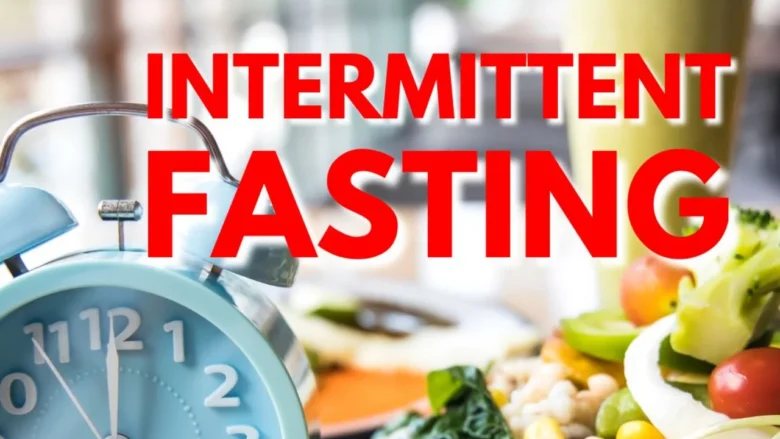
To simplify their diets and improve their lifestyles, more and more people are trying intermittent fasting. Intermittent fasting focuses on when you eat, not what you eat. Reducing meal plans and snacking during the day can help beginners reduce stress. Knowing what to eat during your eating window is just as important as understanding how long you’re fasting. Balanced and tasty meals help maintain your energy and make fasting easier. This intermittent fasting meal plan guides you through preparing simple and easy-to-follow meals that support your fasting habits.
The Principles of Intermittent Fasting
Intermittent fasting is a way of eating that alternates between eating and fasting. Common methods include the 14:10 method (suitable for beginners) and the 16:8 method (fasting for 16 hours, eating within 8 hours). High-calorie foods and drinks should be avoided during the fast. Water, black tea, and black coffee are common choices. Instead of overeating or consuming processed foods, focus on a balanced diet during your fasting window. For beginners, a gradual approach is crucial. Starting a long fast without preparation can lead to fatigue and frustration. A balanced meal for intermittent fasting helps the body adapt better.
What Makes a Balanced Intermittent Fasting Meal
A balanced meal for intermittent fasting consists of protein, fiber-rich carbohydrates, and healthy fats. This combination will keep you feeling full and energized during your next fast. Protein from eggs, poultry, fish, tofu, beans, or yogurt helps maintain muscle mass and curb appetite. Fiber-rich whole grains, vegetables, and fruit provide long-lasting energy. Healthy fats from nuts, seeds, olive oil, and avocados provide both fullness and flavor. A single meal provides these nutrients and prevents excessive hunger later in the day. A balanced diet helps you understand your appetite, making fasting easier for beginners to maintain.
The First Meal After Fasting
A suitable first meal after fasting sets the tone for your next eating window. Avoid fatty or processed foods; instead, choose balanced and easily digestible products. Whole-wheat bread with scrambled eggs and stir-fried vegetables, for example, is a simple and quick option. This meal is rich in fiber, protein, and healthy carbohydrates. Greek yogurt with berries, almonds, and honey is also a wonderful choice. This combination provides both protein and natural sweetness, eliminating the need for added sugar. Balanced, mixed dishes are also a tasty option. For example, combine spinach, bananas, high-protein yogurt or yogurt powder, and peanut butter. Fruit smoothies can cause a quick energy spike and subsequent crash.
Lunch and Dinner Options Within the Eating Window
Eating nutritious dishes during your main meal can keep you feeling full for hours. Roasted chicken with brown rice and roasted vegetables is a simple yet filling dish. For a healthier option, try roasted fish with quinoa and steamed vegetables. Vegetarians can choose fried rice with lentils and vegetables or tofu with mixed vegetables and whole grains. Place protein on your plate first, followed by vegetables and complex carbohydrates. A well-balanced, large salad can also help you feel full. Add chickpeas, roasted chicken, boiled eggs, or tofu to leafy greens and healthy fats like olive oil or nuts. This prevents meals from tasting bland and gives you energy for your next fasting period.
Healthy Snacks During the Eating Window
During intermittent fasting, eating windows can include one or two small snacks. Pay attention to a balanced diet and portion control. A handful of nuts with fruit provides fiber and healthy fats. Cheese with cucumber slices is another protein-rich option. Boiled eggs, carrot sticks, hummus, or plain yogurt with nuts can increase satiety. Avoid packaged snacks with added sugar or refined carbohydrates. A sudden energy dip and subsequent hunger can make fasting more difficult.
Hydration and Its Role in Fasting Success
Hydration is crucial during intermittent fasting, but it’s sometimes overlooked. Drinking enough water daily can reduce hunger and improve health. People drink plain water, herbal tea, and black coffee during fasting. Hydration can reduce fatigue and make fasting easier. Drinking water with meals promotes digestion and prevents overeating. Beginners often confuse thirst with hunger. Drinking water before breaking your silence can help you determine whether you’re hungry or dehydrated.
Common Mistakes for Beginners
Common Mistake: Overeating during the eating window. Some beginners think they can eat a lot after fasting. However, prolonged overeating diminishes the benefits of intermittent fasting and leads to discomfort. Another mistake: Neglecting protein intake. Refined carbohydrates can make you feel hungry more quickly. Adequate protein intake keeps you feeling full and energized. Finally, starting an extreme fasting program is difficult. If 16 hours is too long for you, start with 12 or 14 hours and gradually increase the time. Listen to your body’s responses for long-term success.
Sustainability of Intermittent Fasting
A sustainable diet is crucial when changing eating habits. Choose foods you enjoy and can prepare regularly. Simple recipes are often the best for forming long-term habits. Preparing meals in advance makes intermittent fasting easier. By preparing proteins, grains, and vegetables ahead of time, you can quickly prepare balanced meals during your eating windows. This process reduces the use of convenience foods and ensures regularity in your eating pattern. Flexibility is also important. Social activities and a busy schedule may require adjustments. Focus on long-term consistency, not perfection. A balanced approach makes intermittent fasting easier and less stressful.
Conclusion
Intermittent fasting is easy to follow, even for beginners. A balanced meal for intermittent fasting contains protein, fiber-rich carbohydrates, and healthy fats, which give you energy and satisfy hunger. Ending the fast with nutritious meals and delicious lunches and dinners, drinking plenty of fluids, and avoiding common mistakes makes fasting easier. Meals should be simple, straightforward, and delicious. With careful planning and realistic expectations, you can maintain intermittent fasting. Take it easy, prioritize a healthy diet, and adapt your routine to your individual situation.
FAQs
1. What is the best first meal after fasting?
A balanced diet rich in protein, fiber, and healthy fats works well. For example, eggs with vegetables, yogurt with berries and almonds, or a protein shake made with whole foods.
2. Can I drink coffee during intermittent fasting?
During fasting, it is common to drink black coffee without sugar or milk. Herbal tea and water are also permitted.
3. How many meals should I eat during the eating window?
Most people eat two to three balanced meals during the eating window. The exact number depends on your schedule and taste.
4. Can I snack during intermittent fasting?
If it fits into your routine, you can snack during the eating window. Choose snacks rich in protein and fiber to prevent sudden spikes and dips in your energy levels.
5. How long does it take to get used to intermittent fasting?
Many beginners need 1–2 weeks to adjust. Starting with shorter fasting periods and gradually increasing the duration can ease the transition.