
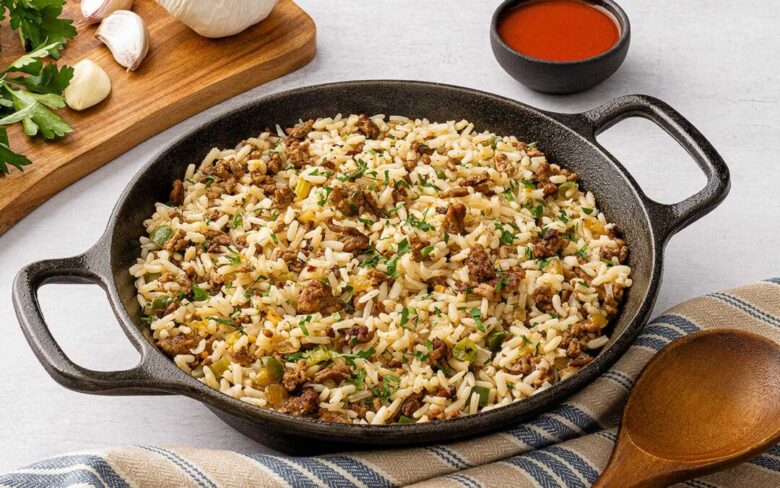
Some cooked grains are stored in the refrigerator, which is well-intentioned but often doesn’t lead to a concrete cooking plan. For example, rice, quinoa, barley, oats, and chopped dry wheat are often left over after preparing meals. Instead of throwing them away, you can use them for quick, economical, and healthy cooking. Reusing leftover grains can save money, prevent food waste, and simplify cooking. It’s very easy to cook rice or other whole grains in large quantities with simple recipes. Cooked grains are a nutritious choice for breakfast, lunch, dinner, and snacks. This article will teach you some simple ways to use leftover cooked grains without complicated steps or special additions.
Why Cooked Grains Are So Versatile
Cooked grains are a versatile and essential ingredient in the kitchen. They easily absorb different flavors, taste excellent with proteins and vegetables, and can be eaten hot or cold. Brown rice, white rice, quinoa, farro, couscous, and barley can give you energy all day long. Another advantage of leftover grains is their ease and speed of preparation. Because they’re already cooked, they save time when preparing dinner. Add eggs, beans, vegetables, or sauce to cereal, and you’ll have a delicious meal on the table in minutes. Breakfast cereals are inexpensive and versatile. Adding cereal to your meals helps you feel full without needing expensive ingredients. This technique can significantly help families and individuals manage food costs.
Make a Quick Breakfast with Leftover Grains
You can make healthy breakfasts with leftover cooked cereal. Heat the cereal with milk or a dairy-free alternative instead of prepackaged cereal for a hot breakfast. Add cinnamon, chopped fruit, nuts, or honey for a natural sweetness. Slowly cook the rice with milk and salt until it becomes a thick porridge. Quinoa, with its slightly nutty flavor, is an ideal breakfast option paired with berries and yogurt. For a savory breakfast, mix leftover cereal with scrambled eggs and stir-fried vegetables. The combination of protein, fiber, and carbohydrates provides a balanced diet that keeps you feeling full and energized all day long.
Easy Grain Breakfast Bowls
Breakfast bowls are an easy way to reuse leftover cooked grains. Use rice, quinoa, or barley as a base. Add proteins like roasted chicken, tofu, beans, or eggs. Then add colorful vegetables like cucumbers, tomatoes, grated carrots, and leafy greens. A simple dressing of olive oil and lemon juice binds everything together. You can also add flavor with ready-made hummus, salsa, or yogurt sauce. Personalize your breakfast bowl and make it more appealing. Use ingredients you already have in your fridge. This flexibility reduces food waste and simplifies meal planning.
Quick Grain Stir-Fry
Grains that have been stored longer have a firmer texture and stick less, making them perfect for stir-frying. Add a little oil to a pan, add chopped vegetables, and cook over low heat until tender. Stir in leftover rice or quinoa. Add soy sauce or your favorite seasoning, and then stir in scrambled eggs, shrimp, tofu, or chicken. A fresh and delicious dinner is ready in minutes. Stir-frying is a wonderful way to use small amounts of vegetables. Instead of throwing away half-eaten bell peppers or carrots, you can chop them and stir-fry them with the grains.
Easy Grain Salad Preparation
Cold grain salads are perfect for a busy week. Simply combine cooked grains, chopped vegetables, beans, herbs, and a light dressing. Chilled salads are ideal for lunch at work or school. Add chickpeas, sliced cucumber, cherry tomatoes, parsley, and olive oil to quinoa. Roasted vegetables and lemon combined with barley are also delicious. Brown rice, black beans, corn, and avocado make a nutritious salad. Grains absorb the flavor of dressings, making the taste even richer after a few hours. This versatility versatility makes grain salads perfect for making ahead.
Creative Grain Recipes for Dinner
Add extra cooked grains to your main dishes. Grains can make soups richer and more nutritious. Rice or barley can quickly add texture and flavor to vegetable soups. Another option is to wrap bell peppers or zucchini in rice. Stuff the vegetables with cooked grains, sautéed vegetables, and beans, and bake them in the oven until tender. This provides a balanced nutritional value and a more appealing appearance. Grains can also be added to homemade hamburgers. Make burgers from cooked quinoa or rice.
Using Extra Grains for Snacks and Sides
Leftover cereal doesn’t necessarily have to be a main course. You can also turn it into snacks and side dishes. For example, you can combine it with oatmeal, yogurt, and fruit for afternoon tea. You can also add the cereal to wraps with chicken and lettuce for a quick meal. Cooked cereal can be lightly sautéed in a pan with herbs for a delicious side dish. Heating the cereal with garlic and herbs enhances the texture and flavor. If you enjoy baking, you can add oatmeal or quinoa to muffins or energy bars. This adds texture and helps you feel full.
Tips for Storing and Reheating Cooked Grains
Proper storage is crucial for preserving leftover cooked cereal. Make sure the cereal is completely cooled before storing it in an airtight container. Once cooled, consume within 3-4 days. To prevent the cereal from drying out, add a small amount of water before reheating. Heat them in short bursts, stirring constantly to ensure even heating. You can also heat them on the stovetop with oil or water. Large quantities of leftover grains can be divided into small containers and frozen. By reheating frozen grains from the freezer, you can quickly and easily create delicious dishes.
Conclusion
Don’t throw away leftover cooked grains. With a little creativity, you can transform leftover rice, quinoa, barley, or other grains into healthy and delicious breakfasts, lunches, dinners, and snacks. They’re versatile, affordable, and quick to prepare, making them indispensable in the home kitchen.
By adapting recipes and making the most of what you have on hand, you can save money and prevent food waste. You can use leftover cooked grains for warm breakfast bowls, colorful grain salads, stir-fries, or as a filling for vegetable dishes in various simple meals. View leftover grains in your fridge as an opportunity. With a few small adjustments, you can easily create delicious and convenient meals anytime.
FAQs
1. How long can cooked grains be stored in the refrigerator?
Most cooked grains can be stored in airtight containers in the refrigerator for three to four days.
2. Can cooked grains be frozen?
Cooked grains are excellent for freezing. Divide them into portions or store them in freezer bags and reheat them when needed.
3. Which grains are best for preparing meals ahead of time?
Rice, quinoa, barley, farro wheat, and Bulgarian wheat all reheat perfectly and retain their original texture.
4. How do you give leftover grains a new flavor?
To restore their flavor, cook them with a little water or oil and add fresh herbs, spices, or sauces.
5. Are whole grains better for a balanced diet than refined grains?
Whole grains contain more fiber and nutrients, which can help you feel full and improve your health.