
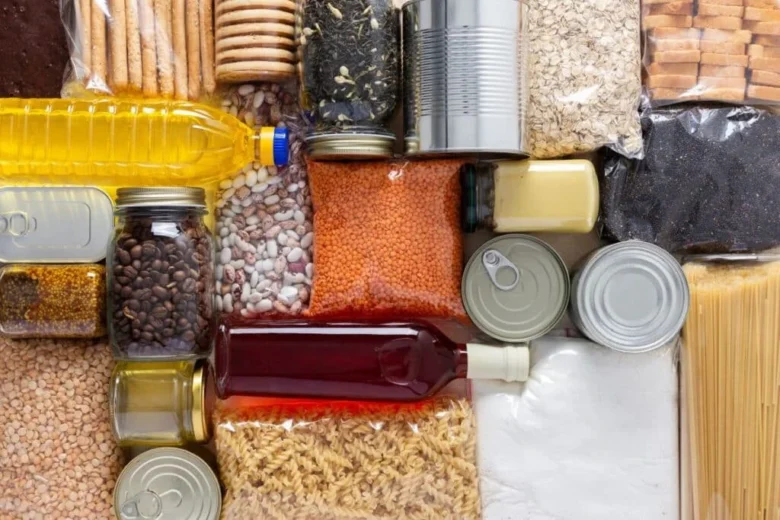
If you want to save money on groceries, the real strategy doesn’t begin in the supermarket aisle.
It begins at home—in your pantry.
Many households overspend not because they buy too much food, but because they buy the wrong kind of food. Often, people use single-use sauces, trendy ingredients, and recipe-specific items only once before discarding them. Weeks later, they’re thrown away.
That’s not just wasted food.
It’s wasted capital.
At PlanodeCapital.com, we focus on practical, sustainable ways to protect your money. And one of the most overlooked wealth-building habits is strategic pantry stocking.
Building your pantry around versatile, multi-purpose staples can help you:
- Reduce impulse purchases
- Cut down on food waste
- Avoid emergency takeout spending
- Stretch every grocery trip further
Here are 15 essential pantry staples that create long-term grocery savings while keeping meals satisfying and flexible.
1. White or Brown Rice
Rice is one of the most affordable and filling foods available. It forms the base of dozens of meals:
- Stir-fries
- Bean bowls
- Soups
- Casseroles
- Simple side dishes
Buying in bulk significantly reduces the cost per serving.
Shelf-Life Insight:
White rice can last for years in a cool, dry place because the bran layer has been removed. Brown rice contains natural oils that can spoil over time. If you don’t use brown rice within a few months, store it in an airtight container in the refrigerator or freezer.
2. All-Purpose Flour
Flour replaces many convenience products.
With flour, water, oil, and salt, you can make:
- Flatbreads
- Tortillas
- Pancakes
- Pizza dough
- Basic sandwich bread
Instead of paying premium prices for ready-made items, you create them yourself at a fraction of the cost.
Storage Tip:
White flour lasts 6–12 months in a cool pantry. Whole wheat flour spoils faster and should be refrigerated if stored long-term.
3. Dry Black or Pinto Beans
Dry beans are significantly cheaper than canned versions and stretch further.
One pound of dry beans equals multiple cans once cooked.
They work well in:
- Burrito bowls
- Chili
- Soups
- Bean burgers
- Side dishes
They’re high in fiber, protein-rich, and extremely filling.
Storage Tip:
Keep dry beans in airtight containers away from humidity. Properly stored, they can last 1–2 years.
4. Old-Fashioned Oats
Large containers of oats are inexpensive and versatile.
Beyond breakfast oatmeal, they can be used for:
- Smoothies
- Homemade granola
- Baking
- Stretching ground meat
- Budget-friendly energy bites
They are shelf-stable and cost-effective.
5. Vegetable or Canola Oil
A single bottle of affordable cooking oil supports months of meals.
Use it for:
- Sautéing
- Roasting
- Baking
- Homemade dough
While specialty oils are attractive, a simple neutral oil handles most cooking needs without raising costs.
6. Potatoes (Bulk Bag)
Potatoes function like a pantry staple because they last weeks when stored properly.
They can become:
- Baked potatoes
- Mashed potatoes
- Breakfast hash
- Soup
- Roasted sides
Important Storage Note:
Do not refrigerate potatoes. Cold temperatures convert starch into sugar, affecting taste and texture. Store them in a cool, dark, well-ventilated place.
7. Onions and Garlic
Budget cooking only works if food still tastes good.
Onions and garlic build flavor in nearly every cuisine worldwide. Buying them in bulk reduces cost and prevents “budget fatigue.”
Flavor prevents takeout temptation.
8. Canned Tuna
Tuna is one of the most affordable shelf-stable proteins available.
Use it in:
- Sandwiches
- Rice bowls
- Pasta dishes
- Quick salads
Keeping a few cans on hand prevents last-minute spending.
9. Peanut Butter
Peanut butter is calorie-dense, protein-rich, and affordable.
It works for:
- Quick breakfasts
- Snacks
- Sandwiches
- Adding richness to oatmeal
Store brands are usually just as nutritious at a lower cost.
10. Pasta
Pasta is the ultimate backup dinner.
With pasta, oil, garlic, and a simple seasoning, you can build a complete meal. Add tomato paste or beans, and you expand options even further.
Stocking different shapes increases flexibility without increasing cost significantly.
11. Soy Sauce or Vinegar
Acidity and salt transform simple ingredients.
A small splash enhances rice, vegetables, soups, and sauces.
One bottle lasts months and prevents meals from tasting bland.
12. Lentils (Red or Brown)
Lentils cook faster than most beans and require no soaking.
They are ideal for:
- Hearty soups
- Stews
- Budget curries
- Stretching ground meat
They’re inexpensive, filling, and highly nutritious.
13. Baking Powder and Baking Soda
If you store flour, these small additions allow you to make:
- Quick breads
- Biscuits
- Pancakes
- Muffins
They’re inexpensive and last a long time when stored in dry conditions.
14. Basic Spices (Salt, Pepper, Garlic Powder)
You don’t need an expensive spice rack.
Salt and pepper are essential. Garlic powder helps when fresh ingredients run low.
Simple seasoning dramatically improves low-cost meals.
15. Canned Tomatoes or Tomato Paste
Tomato paste offers concentrated flavor at minimal cost.
It can become:
- Pasta sauce
- Soup base
- Chili starter
- Stew enhancer
It’s one of the most affordable flavor boosters available.
The $0 Dinner Challenge
Here’s a practical test.
This week, cook one dinner using only:
- These 15 staples
- Water
- Salt
No grocery trip.
Examples:
Pantry Lentil Rice Bowl
Rice + lentils + onion + oil + salt
Simple Garlic Pasta
Pasta + oil + garlic + tomato paste
Flatbread and Beans
Flour + water + oil + salt + cooked beans
When you realize you can create full meals without spending extra money, your grocery strategy changes.
That’s financial flexibility.
How to Build Your Pantry Without Overspending
You don’t need to buy everything at once.
Instead:
- Add one long-lasting staple per week
- Buy larger bags when prices are lower
- Focus on versatility over novelty
Within a few months, you’ll notice:
- Fewer emergency grocery runs
- Reduced food waste
- Lower weekly grocery totals
- Less financial stress
Pantry stocking is not extreme budgeting.
It’s capital efficiency applied to food.
Why a Well-Stocked Pantry Reduces Financial Stress
Money stress often shows up during small daily decisions.
- “What’s for dinner?”
- “Do we need to order food?”
- “Should I run to the store again?”
A stocked pantry eliminates those pressures.
When rice, beans, flour, and simple flavor builders are available, meals become manageable—even during tight weeks.
And when grocery spending stabilizes, long-term savings grow naturally.
Frequently Asked Questions
How much money can pantry cooking realistically save?
Many households reduce grocery spending by 15–30% when they rely more on pantry staples and less on convenience foods.
Are dry beans better than canned beans?
Dry beans cost less per serving. Canned beans save time. Both work—but dry beans offer better long-term value.
Is bulk buying always cheaper?
Often yes, but only if you can store items properly and use them before spoilage.
Final Thoughts
Strategic pantry stocking is one of the simplest ways to protect your grocery budget without sacrificing nutrition or satisfaction.
When you focus on versatile, shelf-stable staples, you reduce waste, increase flexibility, and lower long-term food costs.
- Start small.
- Add one staple this week.
- Build gradually.
Over time, your pantry becomes more than storage—it becomes a financial safety net.